Calculateur IMC
 Calculateur de Calories
 Calculateur de Pourcentage de Graisse Corporelle
 Calculateur Métabolisme de Base (BMR)
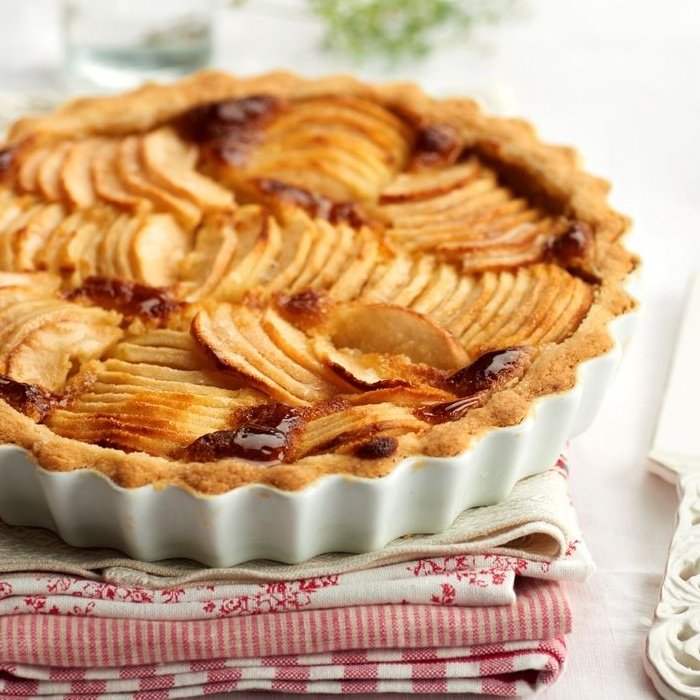
Chinon Apple Tarts
Ingrédients
Instructions
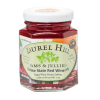
To make the red wine jelly, put the red wine, jam sugar, star anise, clove, cinnamon stick, allspice, split vanilla pod and seeds in a medium saucepan. Stir together, then heat gently to dissolve the sugar. Turn up the heat and boil for 20 mins until reduced and syrupy. Strain into a small, sterilised jam jar and leave to cool completely. Will keep in the fridge for up to 1 month.
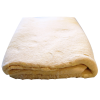
Take the pastry out of the fridge and leave at room temperature for 10 mins, then unroll. Heat the grill to high and heat the oven to 180C/160C fan/gas 4. Cut out 2 x 13cm circles of pastry, using a plate as a guide, and place on a non-stick baking sheet. Sprinkle each circle with 1 tbsp sugar and grill for 5 mins to caramelise, watching carefully so that the sugar doesn’t burn. Remove from the grill. Can be done a few hours ahead, and left, covered, out of the fridge.
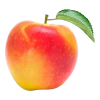
Peel, quarter and core the apples, cut into 2mm-thin slices and arrange on top of the pastry. Sprinkle over the remaining sugar and pop in the oven for 20-25 mins until the pastry is cooked through and golden, and the apples are softened. Remove and allow to cool slightly. Warm 3 tbsp of the red wine jelly in a small pan over a low heat with 1 tsp water to make it a little more runny, then brush over the top of the tarts.
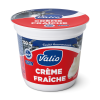
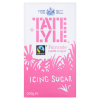
Tip the crème fraîche into a bowl, sift over the icing sugar and cardamom, and mix together. Carefully lift the warm tarts onto serving plates and serve with the cardamom crème fraîche.
Catégories