Calculadora de IMC
 Calculadora de Calorías
 Calculadora de Porcentaje de Grasa Corporal
 Calculadora de TMB
Smoked Haddock Kedgeree
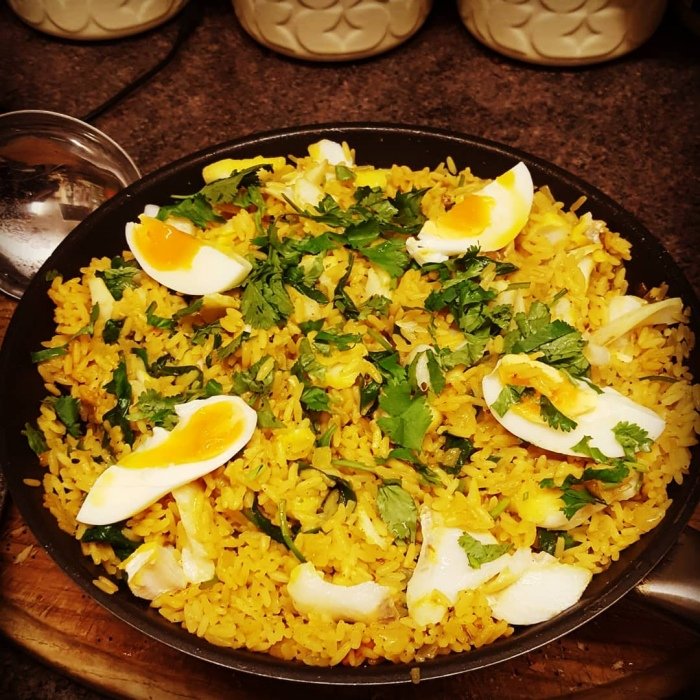
Ingredientes



Instrucciones
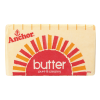
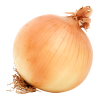
Melt 50g butter in a large saucepan (about 20cm across), add 1 finely chopped medium onion and cook gently over a medium heat for 5 minutes, until softened but not browned.
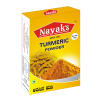
Stir in 3 split cardamom pods, ¼ tsp turmeric, 1 small cinnamon stick and 2 bay leaves, then cook for 1 minute.
Tip in 450g basmati rice and stir until it is all well coated in the spicy butter.
Pour in 1 litre chicken or fish stock, add ½ teaspoon salt and bring to the boil, stir once to release any rice from the bottom of the pan. Cover with a close-fitting lid, reduce the heat to low and leave to cook very gently for 12 minutes.
Meanwhile, bring some water to the boil in a large shallow pan. Add 750g un-dyed smoked haddock fillet and simmer for 4 minutes, until the fish is just cooked. Lift it out onto a plate and leave until cool enough to handle.
Hard-boil 3 eggs for 8 minutes.
Flake the fish, discarding any skin and bones. Drain the eggs, cool slightly, then peel and chop.
Uncover the rice and remove the bay leaves, cinnamon stick and cardamom pods if you wish to. Gently fork in the fish and the chopped eggs, cover again and return to the heat for 2-3 minutes, or until the fish has heated through.
Gently stir in almost all the 3 tbsp chopped fresh parsley, and season with a little salt and black pepper to taste. Serve scattered with the remaining parsley and garnished with 1 lemon, cut into wedges.
Categorías