Saltfish and Ackee

Ingredientes
450g Salt Cod
400g Ackee
1 chopped Onion
1 tsp Paprika
2 tsp Curry Powder
2 tsp Jerusalem Artichokes
1 tsp Hotsauce
1 sliced Red Pepper
1 sliced Yellow Pepper
200g Tomatoes
to taste Salt
to taste Pepper
250g Self-raising Flour
30g Suet
pinch Salt
for frying Olive Oil

Instrucciones

For the saltfish, soak the salt cod overnight, changing the water a couple of times.
Drain, then put the cod in a large pan of fresh water and bring to the boil. Drain again, add fresh water and bring to the boil again.
Simmer for about five minutes, or until cooked through, then drain and flake the fish into large pieces. Discard any skin or bones.
For the dumplings, mix the flour and suet with a pinch of salt and 250ml/9fl oz water to make a dough.
Wrap the mixture in clingfilm and leave in the fridge to rest.
Open the can of ackee, drain and rinse, then set aside.
Heat a tablespoon of olive oil in a pan and fry the onion until softened but not brown.
Add the spices, seasoning, pepper sauce and sliced peppers and continue to fry until the peppers are tender.
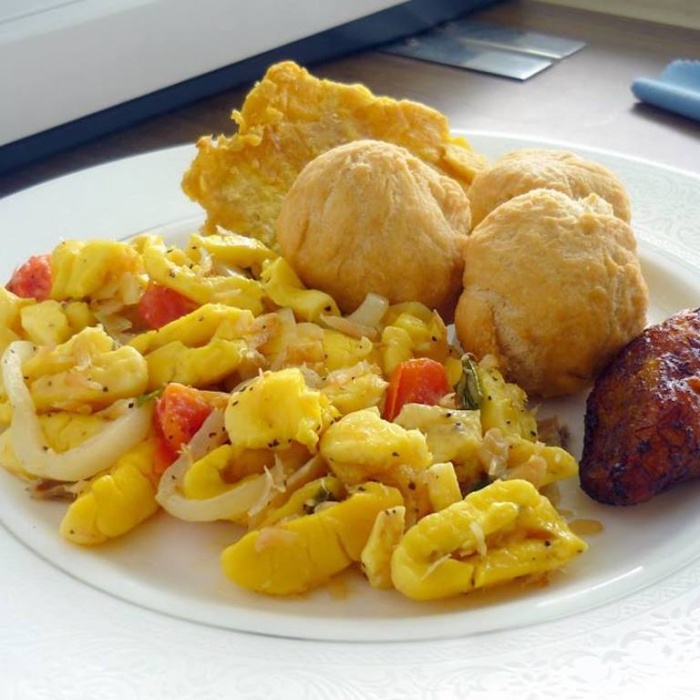
Add the chopped tomatoes, then the salt cod and mix together. Lastly stir in the ackee very gently and leave to simmer until ready to serve.
When you’re almost ready to eat, heat about 1cm/½in vegetable oil in a frying pan and heat until just smoking.
Shape the dumpling mix into plum-size balls and shallow-fry until golden-brown. (CAUTION: hot oil can be dangerous. Do not leave the pan unattended.)
Drain the dumplings on kitchen paper and serve with the saltfish and ackee.

Categorías
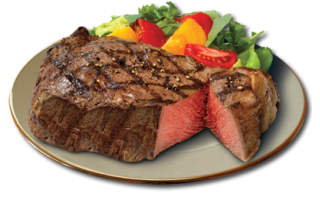
Beef
Carne de Res
Carne de res es el nombre culinario de la carne de ganado vacuno, particularmente el músculo esquelético. Los humanos han estado comiendo carne de res desde tiempos prehistóricos. La carne de res es una fuente de proteínas y nutrientes de alta calidad. La mayor parte de la carne de músculo esquelético de res se puede usar tal cual simplemente cortándola en ciertas partes, como asados, costillas cortas o bistecs (filete miñón, solomillo, rabadilla, chuleta, ojo de costilla, bistec de falda, etc.), mientras que otros cortes son procesados (carne en salmuera o cecina de res). Los recortes, por otro lado, generalmente se mezclan con carne de ganado más viejo, magro (por lo tanto, más duro), se muelen, se pican o se usan en salchichas. La sangre se usa en algunas variedades llamadas morcilla. Otras partes que se comen incluyen otros músculos y vísceras, como el rabo de buey, el hígado, la lengua, los callos del retículo o rumen, las glándulas (particularmente el páncreas y el timo, conocidos como mollejas), el corazón, el cerebro (aunque prohibido donde existe peligro de encefalopatía espongiforme bovina, EEB, comúnmente conocida como enfermedad de las vacas locas), los riñones y los testículos tiernos del toro (conocidos en los Estados Unidos como sesos de ternera, ostras de la pradera u ostras de las Montañas Rocosas). Algunos intestinos se cocinan y se comen tal cual, pero más a menudo se limpian y se usan como tripas naturales para salchichas. Los huesos se utilizan para hacer caldo de res.