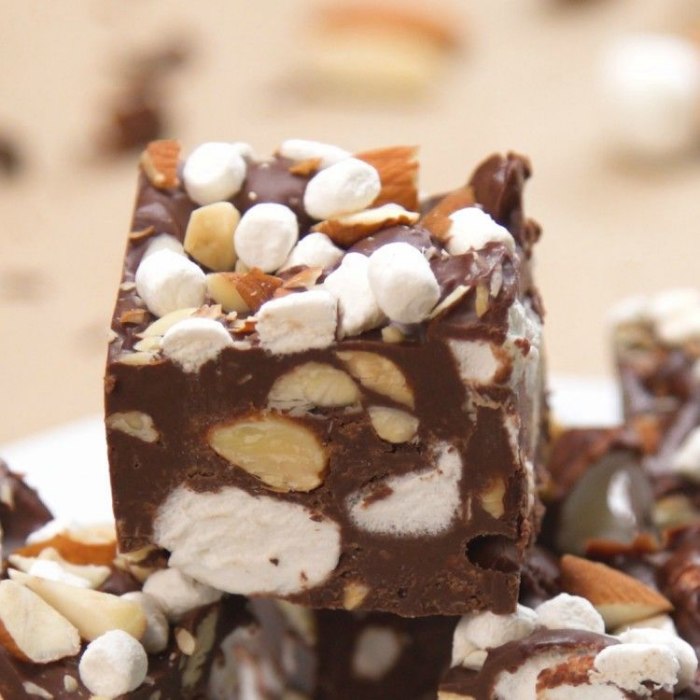
Rocky Road Fudge

Ingredientes

2 cups Miniature Marshmallows
3 cups Chocolate Chips
½ cup Peanut Butter
1 tsp Vanilla Extract
1 ¼ cups Peanuts

Instrucciones

Line an 8-inch-square baking pan with wax paper or foil, and coat with non-stick spray.
Pour ½ cup of the miniature marshmallows into the bottom of the lined baking dish.
In a microwave-safe bowl, combine the chocolate chips and peanut butter. Microwave the chocolate mixture in 20-second intervals, stirring in between each interval, until the chocolate is melted.
Add the vanilla extract and stir well, until smooth.
Reserve 2 tablespoons of the chopped almonds or peanuts, and set aside.
Fold 1 ½ cups of the miniature marshmallows and the remaining chopped nuts into the chocolate mixture.
Transfer the chocolate mixture into the prepared pan and spread into an even layer. Immediately top with the reserved chopped nuts and the mallow bits or additional miniature marshmallows, if using.
Refrigerate for 4 hours, or until set.
Remove the fudge and wax paper from the pan. Carefully peel all of wax paper from the fudge.
Cut the fudge into bite-sized pieces and serve.

Categorías
Beef
Carne de Res
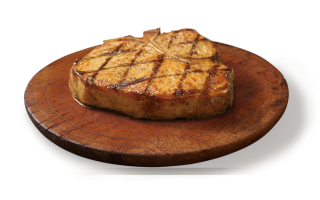
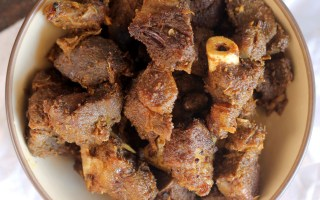
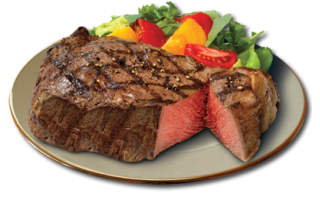
Carne de res es el nombre culinario de la carne de ganado vacuno, particularmente el músculo esquelético. Los humanos han estado comiendo carne de res desde tiempos prehistóricos. La carne de res es una fuente de proteínas y nutrientes de alta calidad. La mayor parte de la carne de músculo esquelético de res se puede usar tal cual simplemente cortándola en ciertas partes, como asados, costillas cortas o bistecs (filete miñón, solomillo, rabadilla, chuleta, ojo de costilla, bistec de falda, etc.), mientras que otros cortes son procesados (carne en salmuera o cecina de res). Los recortes, por otro lado, generalmente se mezclan con carne de ganado más viejo, magro (por lo tanto, más duro), se muelen, se pican o se usan en salchichas. La sangre se usa en algunas variedades llamadas morcilla. Otras partes que se comen incluyen otros músculos y vísceras, como el rabo de buey, el hígado, la lengua, los callos del retículo o rumen, las glándulas (particularmente el páncreas y el timo, conocidos como mollejas), el corazón, el cerebro (aunque prohibido donde existe peligro de encefalopatía espongiforme bovina, EEB, comúnmente conocida como enfermedad de las vacas locas), los riñones y los testículos tiernos del toro (conocidos en los Estados Unidos como sesos de ternera, ostras de la pradera u ostras de las Montañas Rocosas). Algunos intestinos se cocinan y se comen tal cual, pero más a menudo se limpian y se usan como tripas naturales para salchichas. Los huesos se utilizan para hacer caldo de res.