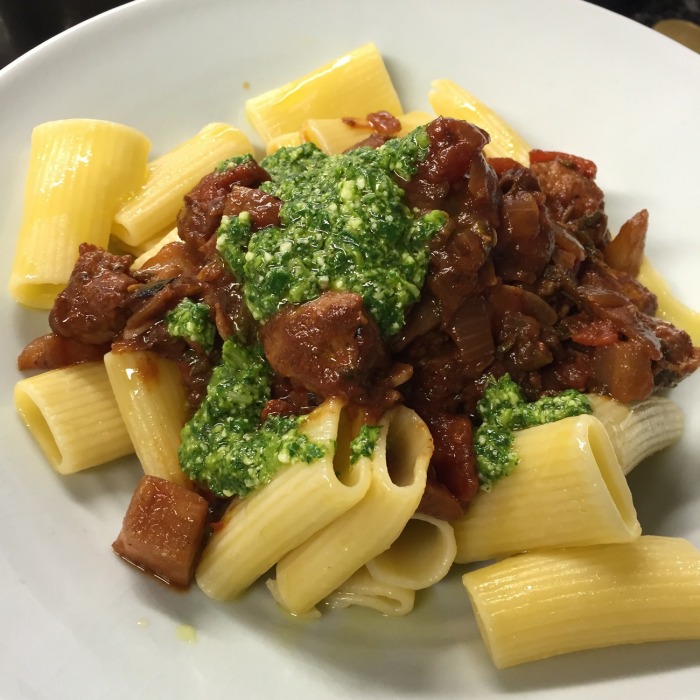
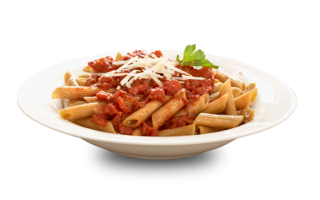
Rigatoni with fennel sausage sauce

Ingredientes
2½ tbsp Olive Oil
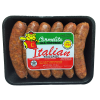
6 cut into 1.5cm-thick slices Italian Fennel Sausages
1 large peeled and chopped Onion
1 trimmed and roughly chopped; reserve any fronds to garnish Fennel Bulb
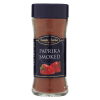
½ tsp Smoky Paprika
1 clove, peeled and sliced Garlic
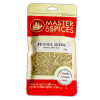
2 tsp lightly toasted and then gently crushed Fennel Seeds
100ml Red Wine
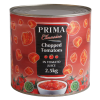
400g tinned Chopped Tomatoes
½ tsp Caster Sugar
50g cut in half lengthways Pitted Black Olives
500g Rigatoni
30g roughly crumbled into 0.5cm pieces Pecorino
1 rinsed and patted dry Anchovy Fillet
1 clove, peeled and crushed Garlic
60ml Olive Oil
50g torn Basil Leaves

Instrucciones

Heat a tablespoon of oil in a large saute pan for which you have a lid. Add the sausage pieces and fry on a medium-high heat for 10 minutes, stirring regularly, until golden-brown all over. Transfer the sausages to a plate, then add the onion and fennel to the hot pan and fry for 15 minutes, stirring once in a while, until soft and caramelised; if the pan goes a bit dry, add a teaspoon or so of extra oil. Stir in the paprika, garlic and half the fennel seeds, fry for two minutes more, then pour on the wine and boil for 30 seconds, to reduce by half. Add the tomatoes, sugar, 100ml water, the seared sausage and half a teaspoon of salt, cover and simmer for 30 minutes; remove the lid after 10 minutes, and cook until the sauce is thick and rich. Remove from the heat, stir through the olives and remaining fennel seeds and set aside until you’re ready to serve.

Bring a large pot of salted water to a boil, add the pasta and cook for 12-14 minutes (or according to the instructions on the packet), until al dente. Meanwhile, reheat the sauce. Drain the pasta, return it to the pot, stir in a tablespoon of oil, then divide between the bowls.

Put all the pesto ingredients except the basil in the small bowl of a food processor. Add a tablespoon of water and blitz to a rough paste. Add the basil, then blitz until just combined (the pesto has a much better texture if the basil is not overblended).

Spoon over the ragù and top with a spoonful of pesto. Finish with a sprinkling of chopped fennel fronds, if you have any, and serve at once.

Categorías
Beef
Carne de Res
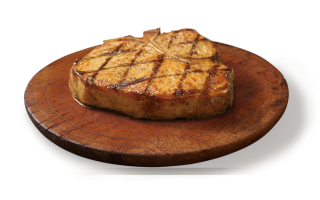
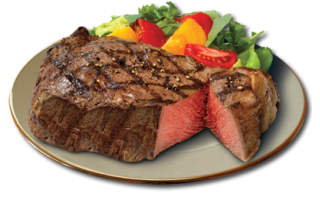
Carne de res es el nombre culinario de la carne de ganado vacuno, particularmente el músculo esquelético. Los humanos han estado comiendo carne de res desde tiempos prehistóricos. La carne de res es una fuente de proteínas y nutrientes de alta calidad. La mayor parte de la carne de músculo esquelético de res se puede usar tal cual simplemente cortándola en ciertas partes, como asados, costillas cortas o bistecs (filete miñón, solomillo, rabadilla, chuleta, ojo de costilla, bistec de falda, etc.), mientras que otros cortes son procesados (carne en salmuera o cecina de res). Los recortes, por otro lado, generalmente se mezclan con carne de ganado más viejo, magro (por lo tanto, más duro), se muelen, se pican o se usan en salchichas. La sangre se usa en algunas variedades llamadas morcilla. Otras partes que se comen incluyen otros músculos y vísceras, como el rabo de buey, el hígado, la lengua, los callos del retículo o rumen, las glándulas (particularmente el páncreas y el timo, conocidos como mollejas), el corazón, el cerebro (aunque prohibido donde existe peligro de encefalopatía espongiforme bovina, EEB, comúnmente conocida como enfermedad de las vacas locas), los riñones y los testículos tiernos del toro (conocidos en los Estados Unidos como sesos de ternera, ostras de la pradera u ostras de las Montañas Rocosas). Algunos intestinos se cocinan y se comen tal cual, pero más a menudo se limpian y se usan como tripas naturales para salchichas. Los huesos se utilizan para hacer caldo de res.