Calculadora de IMC
 Calculadora de Calorías
 Calculadora de Porcentaje de Grasa Corporal
 Calculadora de TMB
Provençal Omelette Cake

Ingredientes





Instrucciones
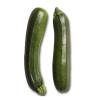
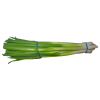
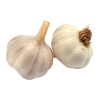
Break the eggs into two bowls, five in each. Whisk lightly and season with salt and pepper. Heat the oil in a pan, add the courgettes and spring onions, then fry gently for about 10 mins until softened. Cool, then stir into one bowl of eggs with a little salt and pepper. Add the roasted peppers to the other bowl of eggs with the garlic, chilli, salt and pepper.
Heat a little oil in a 20-23cm frying pan, preferably non-stick. Pour the eggs with courgette into a measuring jug, then pourabout one-third of the mixture into the pan, swirling it to cover the base of the pan. Cook until the egg is set and lightly browned underneath, then cover the pan with a plate and invert the omelette onto it. Slide it back into the pan to cook the other side. Repeat with the remaining mix to make two more omelettes, adding a little oil to the pan each time. Stack the omelettes onto a plate. Make three omelettes in the same way with the red pepper mixture, then stack them on a separate plate.
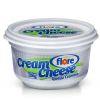
Now make the filling. Beat the cheese to soften it, then beat in the milk to make a spreadable consistency. Stir in the herbs, salt and pepper. Line a deep, 20-23cm round cake tin with cling film (use a tin the same size as the frying pan). Select the best red pepper omelette and place in the tin, prettiest side down. Spread with a thin layer of cheese filling, then cover with a courgette omelette. Repeat, alternating the layers, until all the omelettes and filling are in the tin, finishing with an omelette. Flip the cling film over the omelette, then chill for up to 24 hrs.
To serve, invert the omelette cake onto a serving plate and peel off the cling film. Pile rocket on the top and scatter over the cheese, a drizzle of olive oil and a little freshly ground black pepper. Serve cut into wedges.
Categorías