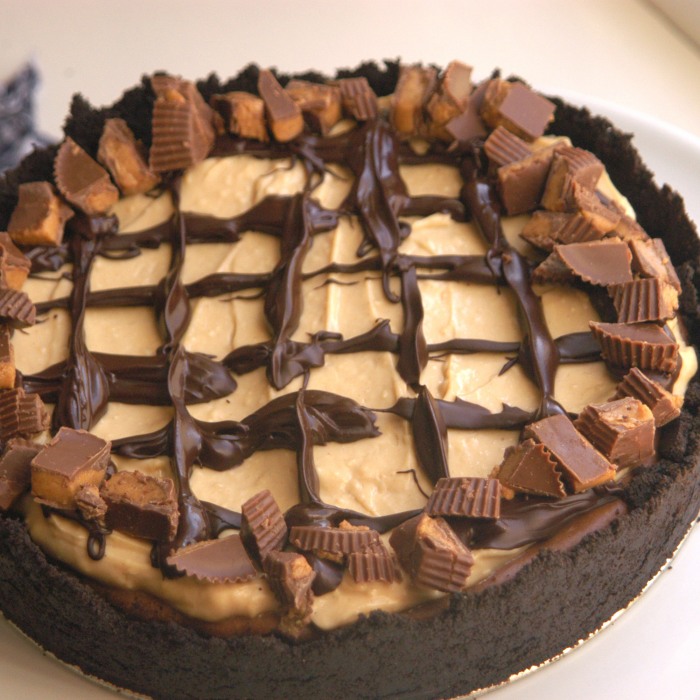
Peanut Butter Cheesecake

Ingredientes

50g Butter
175g Peanut Cookies
5 Gelatine Leafs
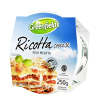
500g Ricotta
175g Peanut Butter
175g Golden Syrup
150ml Milk
275ml Double Cream
2 tblsp Light Brown Soft Sugar
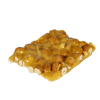
Crushed Peanut Brittle

Instrucciones

Oil and line a 20cm round loose- bottomed cake tin with cling film, making it as smooth as possible. Melt the butter in a pan. Crush the biscuits by bashing them in a bag with a rolling pin, then stir them into the butter until very well coated. Press the mixture firmly into the base of the tin and chill.
Soak the gelatine in water while you make the filling. Tip the ricotta into a bowl, then beat in the peanut butter and syrup. Ricotta has a slightly grainy texture so blitz until smooth with a stick blender for a smoother texture if you prefer.
Take the soaked gelatine from the water and squeeze dry. Put it into a pan with the milk and heat very gently until the gelatine dissolves. Beat into the peanut mixture, then tip onto the biscuit base. Chill until set.
To freeze, leave in the tin and as soon as it is solid, cover the surface with cling film, then wrap the tin with cling film and foil.
To defrost, thaw in the fridge overnight.
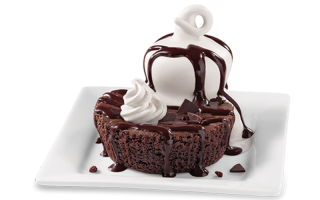
To serve, carefully remove from the tin. Whisk the cream with the sugar until it holds its shape, then spread on top of the cheesecake and scatter with the peanut brittle.

Categorías
Beef
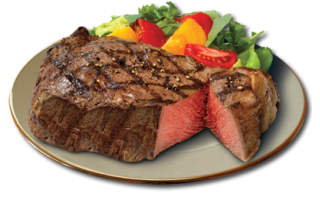
Carne de Res
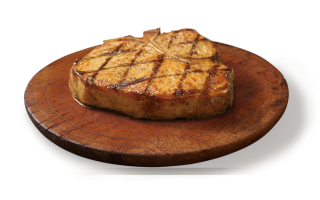
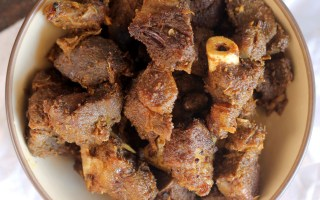
Carne de res es el nombre culinario de la carne de ganado vacuno, particularmente el músculo esquelético. Los humanos han estado comiendo carne de res desde tiempos prehistóricos. La carne de res es una fuente de proteínas y nutrientes de alta calidad. La mayor parte de la carne de músculo esquelético de res se puede usar tal cual simplemente cortándola en ciertas partes, como asados, costillas cortas o bistecs (filete miñón, solomillo, rabadilla, chuleta, ojo de costilla, bistec de falda, etc.), mientras que otros cortes son procesados (carne en salmuera o cecina de res). Los recortes, por otro lado, generalmente se mezclan con carne de ganado más viejo, magro (por lo tanto, más duro), se muelen, se pican o se usan en salchichas. La sangre se usa en algunas variedades llamadas morcilla. Otras partes que se comen incluyen otros músculos y vísceras, como el rabo de buey, el hígado, la lengua, los callos del retículo o rumen, las glándulas (particularmente el páncreas y el timo, conocidos como mollejas), el corazón, el cerebro (aunque prohibido donde existe peligro de encefalopatía espongiforme bovina, EEB, comúnmente conocida como enfermedad de las vacas locas), los riñones y los testículos tiernos del toro (conocidos en los Estados Unidos como sesos de ternera, ostras de la pradera u ostras de las Montañas Rocosas). Algunos intestinos se cocinan y se comen tal cual, pero más a menudo se limpian y se usan como tripas naturales para salchichas. Los huesos se utilizan para hacer caldo de res.