Calculadora de IMC
 Calculadora de Calorías
 Calculadora de Porcentaje de Grasa Corporal
 Calculadora de TMB
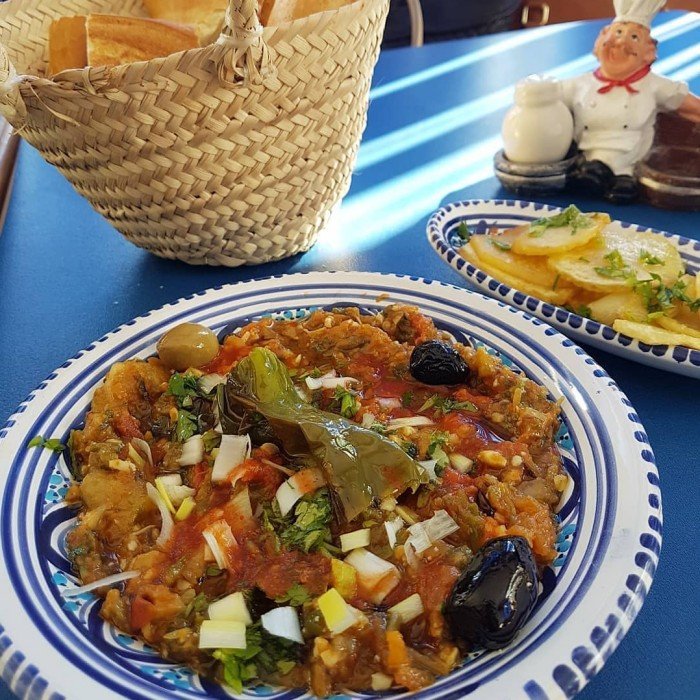
Kafteji
Ingredientes


Instrucciones
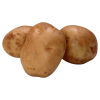
Peel potatoes and cut into 5cm cubes.
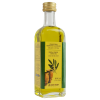
Pour 1-2 cm of olive oil into a large pan and heat up very hot. Fry potatoes until golden brown for 20 minutes, turning from time to time. Place on kitchen paper to drain.
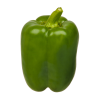
Cut the peppers in half and remove seeds. Rub a little olive oil on them and place the cut side down on a baking tray. Place them under the grill. Grill until the skin is dark and bubbly. While the peppers are still hot, put them into a plastic sandwich bag and seal it. Take them out after 15 minutes and remove skins.
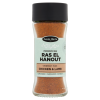
In the meantime, heat more olive oil another pan. Peel the onions and cut into thin rings. Fry for 15 minutes until golden brown, turning them often. Add the Ras el hanout at the end.
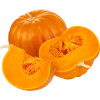
Cut the pumpkin into 5cm cubes and fry in the same pan you used for the potatoes for 10-15 minutes until it is soft and slightly browned. Place on kitchen paper.
Pour the remaining olive oil out of the pan and put all the cooked vegetables into the pan and mix. Whisk eggs and pour them over the vegetables. Put the lid on the pan so that the eggs cook. Put the contents of the pan onto a large chopping board, add salt and pepper and chopped and mix everything with a big knife.
Categorías