Calculadora de IMC
 Calculadora de Calorías
 Calculadora de Porcentaje de Grasa Corporal
 Calculadora de TMB
Jam Roly-Poly
Ingredientes




Instrucciones
Put a deep roasting tin onto the bottom shelf of the oven, and make sure that there’s another shelf directly above it. Pull the roasting tin out on its shelf, fill two-thirds with boiling water from the kettle, then carefully slide it back in. Heat oven to 180C/160C fan/gas 4. Tear off a large sheet of foil and greaseproof paper (about 30 x 40cm). Sit the greaseproof on top of the foil and butter it.
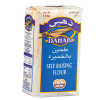
Tip butter, flour and vanilla seeds into a food processor; pulse until the butter has disappeared. Tip into a mixing bowl. Stir through the suet, pour in the milk and work together with a cutlery knife until you get a sticky dough. You may need a drop more milk, depending on your flour.
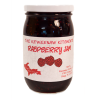
Tip the dough out onto a floured surface, quickly pat together to smooth, then roll out to a square roughly 25 x 25cm. Spread the jam all over, leaving a gap along one edge, then roll up from the opposite edge. Pinch the jam-free edge into the dough where it meets, and pinch the ends roughly, too. Carefully lift onto the greased paper, join-side down (you might find a flat baking sheet helpful for this), loosely bring up the paper and foil around it, then scrunch together along the edges and ends to seal. The roly-poly will puff quite a bit during cooking so don’t wrap it tightly. Lift the parcel directly onto the rack above the tin and cook for 1 hr.
Let the pudding sit for 5 mins before unwrapping, then carefully open the foil and paper, and thickly slice to serve.
Categorías