Calculadora de IMC
 Calculadora de Calorías
 Calculadora de Porcentaje de Grasa Corporal
 Calculadora de TMB
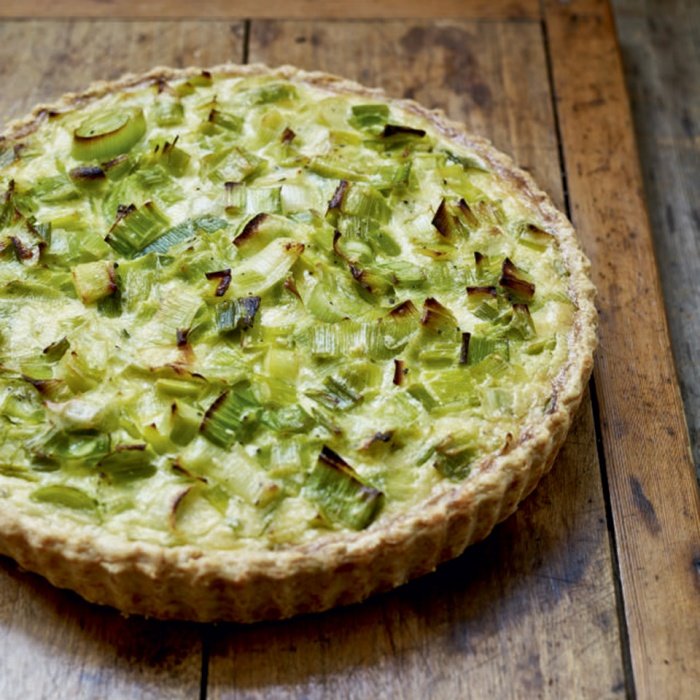
Flamiche
Ingredientes






Instrucciones
For the pastry, sift the flour and salt into the bowl of a food processor, add the butter and lard, then whizz together briefly until the mixture looks like fine breadcrumbs. Tip the mixture into a bowl, then stir in the cheese and enough of the water for the mixture to come together. Tip out onto a lightly floured surface and knead briefly until smooth. Roll out thinly and line a 23cm x 4cm loose-?bottomed fluted flan tin. Prick the base with a fork. Chill for 20 minutes.
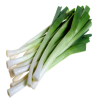
02.Melt the 75g butter in a saucepan over a low heat, then add the leeks and the salt. Cover and cook for ?10 minutes until soft. Uncover the pan, increase the heat and cook ?for 2 minutes, stirring occasionally, until the liquid has evaporated. Spoon onto a plate and leave to cool.
03.Preheat the oven to 200°C/fan180°C/gas 6. Line the pastry case with baking paper and baking beans or rice and blind bake for 15-20 minutes until the edges are biscuit-coloured. Remove the paper and beans/rice and return the case to the oven for 7-10 minutes until the base is crisp and lightly golden. Remove and set aside. Reduce the oven temperature to 190°C/fan170°C/gas 5.
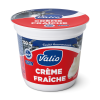
04.Put the crème fraîche into a bowl with the whole egg, egg yolks and nutmeg. Lightly beat together, then season. Stir in the leeks. Spoon ?the mixture into the tart case and bake for 35-40 minutes until set ?and lightly golden. Remove from ?the oven and leave for 10 minutes. Take out of the tin and serve.
Categorías