Calculadora de IMC
 Calculadora de Calorías
 Calculadora de Porcentaje de Grasa Corporal
 Calculadora de TMB
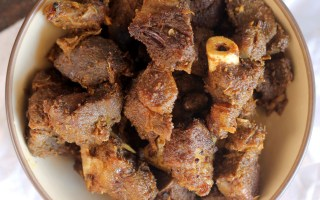
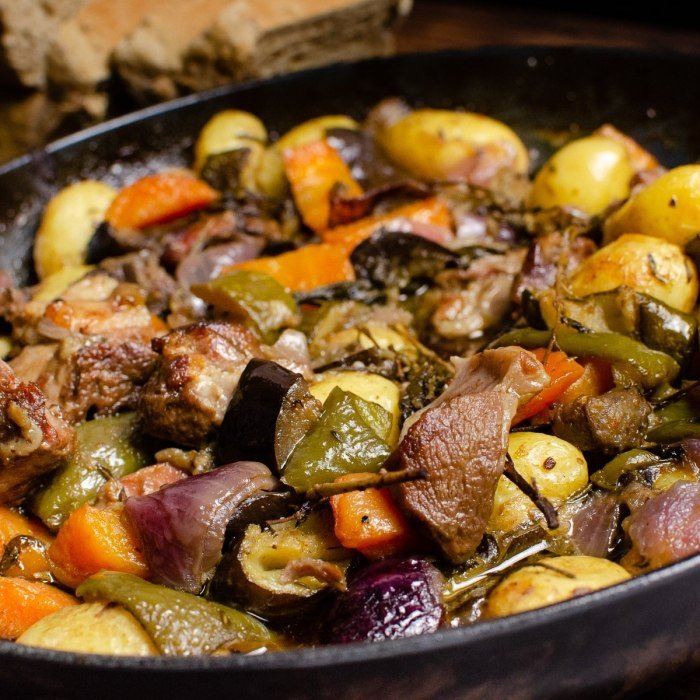
Croatian lamb peka
Ingredientes


Instrucciones
Preheat oven to 200°C fan / 220°C / 425°F / Gas mark 7
If you have not bought diced lamb, cut your lamb shoulder or leg into large chunks and place to one side.
Chunks of chopped lamb of a red chopping board
Make oil marinade -
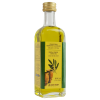
Mix 80ml of olive oil in a bowl with garlic puree, sundried tomato puree ,black pepper and salt.
olive oil, gia sundried tomato puree and gia garlic puree and black pepper mixed together in a silver bowl to make Croatian peka
Add potatoes and vegetables into a large lidded casserole dish.
Chopped up vegetables which consist of chopped up red onion, courgette, potatoes red peppers in a cast iron pan
Place diced lamb on top of the vegetables, pour the marinade and wine over the top.
Chunks of lamb covered in in a sundried tomato oil sauce which is on top of chopped red onion, aubergine, courgette and potatoes in a cast iron pan
Add the rosemary, thyme and sage, trying to keep the herbs on top.
So you can easily remove the herb stalks once cooked.
Chunks of lamb coated in a sundried tomato oil sauce and covered with thyme, rosemary and sage which is on top of chopped red onion, aubergine, courgette and potatoes in a cast iron pan
Place lid on the casserole dish and cook for 1hr 30 minute
If you do not have a lid cover very well with kitchen foil
Cast iron dish with lid on in the oven
Take the lid off, remove any thick herb stems. Stir in 2 tbsp of olive oil.
Cook for a further 20-30 mins.
Cooked Croatian Lamb Peka in a cast iron pan in the oven
Serve with fresh homemade bread to dip into the juices.
Categorías