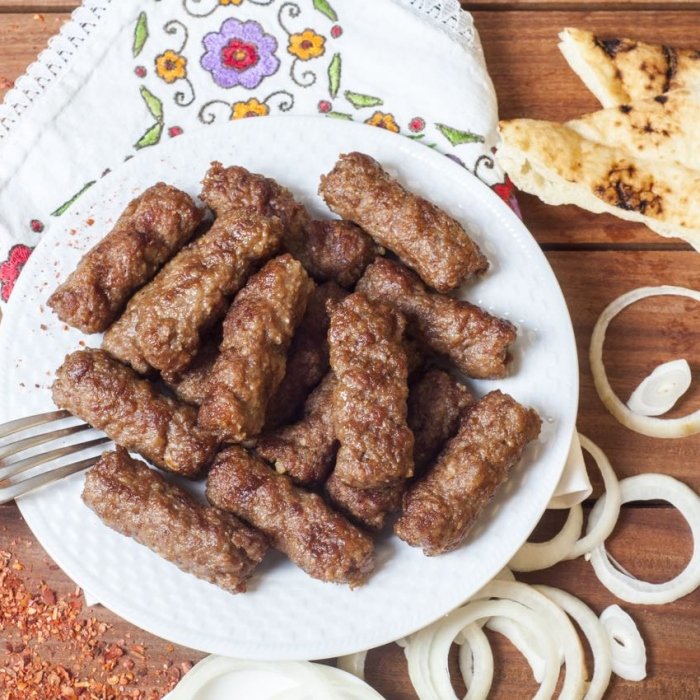
Cevapi Sausages

Ingredientes

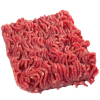
500g Minced Beef
250g Minced Pork
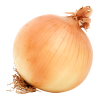
1 Onion
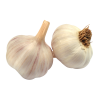
4 cloves Garlic
3 tblsp chopped Parsley
1 tbs Paprika
3/4 teaspoon Baking Powder
2 tbs Breadcrumbs
3 tbs Water
1 Vegetable Stock Cube
1 tsp Salt
1 tsp Pepper

Instrucciones

Place the ground meat in a bowl. Chop the onion very finely and grate the garlic cloves. Add to the bowl. Add the chopped parsley, all sorts of paprika, baking soda, dried breadcrumbs, water, Vegeta, salt, and pepper.
Mix well with the hand mixer fitted with the dough hooks. Cover the bowl with cling film/ plastic foil and leave to rest for 1 or 2 hours in the refrigerator.
Take portions of the meat mixture, about 50-55 g/ 1.7-1.9 oz/ ¼ cup portions, and form the cevapi. The rolls should be about as thick as your thumb and about 7-10 cm/ 3-4 inches long. I had 18 sausages. The recipe can be easily doubled.
Grill the cevapcici on the hot grill pan or on the barbecue for about 12-14 minutes, turning them several times in between, or until brown and cooked through. I checked by cutting one in the middle and then grilling the following batches for the same period of time.
Serve hot as suggested above. The cevapcici can be reheated in the oven at 180 degrees Celsius/ 350 degrees Fahrenheit for about 10 minutes or until heated through. Check one, if it is not hot enough, give the sausages a few more minutes.

Categorías
Beef
Carne de Res
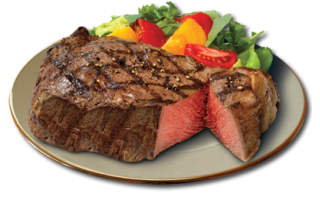
Carne de res es el nombre culinario de la carne de ganado vacuno, particularmente el músculo esquelético. Los humanos han estado comiendo carne de res desde tiempos prehistóricos. La carne de res es una fuente de proteínas y nutrientes de alta calidad. La mayor parte de la carne de músculo esquelético de res se puede usar tal cual simplemente cortándola en ciertas partes, como asados, costillas cortas o bistecs (filete miñón, solomillo, rabadilla, chuleta, ojo de costilla, bistec de falda, etc.), mientras que otros cortes son procesados (carne en salmuera o cecina de res). Los recortes, por otro lado, generalmente se mezclan con carne de ganado más viejo, magro (por lo tanto, más duro), se muelen, se pican o se usan en salchichas. La sangre se usa en algunas variedades llamadas morcilla. Otras partes que se comen incluyen otros músculos y vísceras, como el rabo de buey, el hígado, la lengua, los callos del retículo o rumen, las glándulas (particularmente el páncreas y el timo, conocidos como mollejas), el corazón, el cerebro (aunque prohibido donde existe peligro de encefalopatía espongiforme bovina, EEB, comúnmente conocida como enfermedad de las vacas locas), los riñones y los testículos tiernos del toro (conocidos en los Estados Unidos como sesos de ternera, ostras de la pradera u ostras de las Montañas Rocosas). Algunos intestinos se cocinan y se comen tal cual, pero más a menudo se limpian y se usan como tripas naturales para salchichas. Los huesos se utilizan para hacer caldo de res.