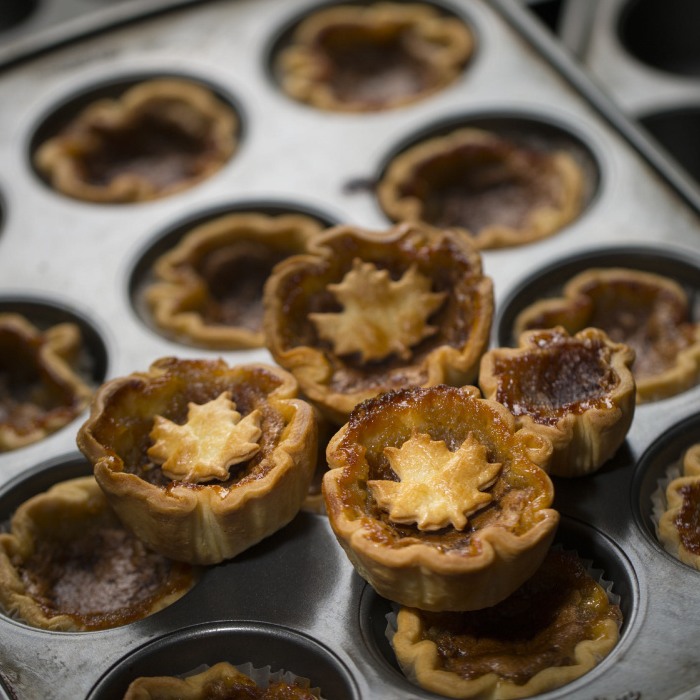
Canadian Butter Tarts

Ingredientes

375g Shortcrust Pastry
2 large Eggs
175g Muscovado Sugar
100g Raisins
1 tsp Vanilla Extract
50g Butter
4 tsp Single Cream
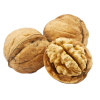
50g Walnuts

Instrucciones

Preheat the oven to fan 170C/ conventional 190C/gas 5. Roll out the pastry on a lightly floured surface so it’s slightly thinner than straight from the pack. Then cut out 18-20 rounds with a 7.5cm fluted cutter, re-rolling the trimmings. Use the rounds to line two deep 12-hole tart tins (not muffin tins). If you only have a regular-sized, 12-hole tart tin you will be able to make a few more slightly shallower tarts.
Beat the eggs in a large bowl and combine with the rest of the ingredients except the walnuts. Tip this mixture into a pan and stir continuously for 3-4 minutes until the butter melts, and the mixture bubbles and starts to thicken. It should be thick enough to coat the back of a wooden spoon. Don’t overcook, and be sure to stir all the time as the mixture can easily burn. Remove from the heat and stir in the nuts.
Spoon the filling into the unbaked tart shells so it’s level with the pastry. Bake for 15-18 minutes until set and pale golden. Leave in the tin to cool for a few minutes before lifting out on to a wire rack. Serve warm or cold.

Categorías
Beef
Carne de Res
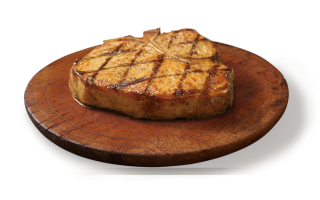
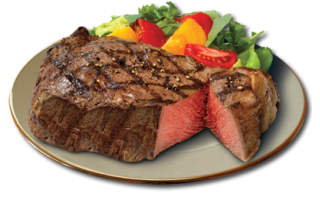
Carne de res es el nombre culinario de la carne de ganado vacuno, particularmente el músculo esquelético. Los humanos han estado comiendo carne de res desde tiempos prehistóricos. La carne de res es una fuente de proteínas y nutrientes de alta calidad. La mayor parte de la carne de músculo esquelético de res se puede usar tal cual simplemente cortándola en ciertas partes, como asados, costillas cortas o bistecs (filete miñón, solomillo, rabadilla, chuleta, ojo de costilla, bistec de falda, etc.), mientras que otros cortes son procesados (carne en salmuera o cecina de res). Los recortes, por otro lado, generalmente se mezclan con carne de ganado más viejo, magro (por lo tanto, más duro), se muelen, se pican o se usan en salchichas. La sangre se usa en algunas variedades llamadas morcilla. Otras partes que se comen incluyen otros músculos y vísceras, como el rabo de buey, el hígado, la lengua, los callos del retículo o rumen, las glándulas (particularmente el páncreas y el timo, conocidos como mollejas), el corazón, el cerebro (aunque prohibido donde existe peligro de encefalopatía espongiforme bovina, EEB, comúnmente conocida como enfermedad de las vacas locas), los riñones y los testículos tiernos del toro (conocidos en los Estados Unidos como sesos de ternera, ostras de la pradera u ostras de las Montañas Rocosas). Algunos intestinos se cocinan y se comen tal cual, pero más a menudo se limpian y se usan como tripas naturales para salchichas. Los huesos se utilizan para hacer caldo de res.