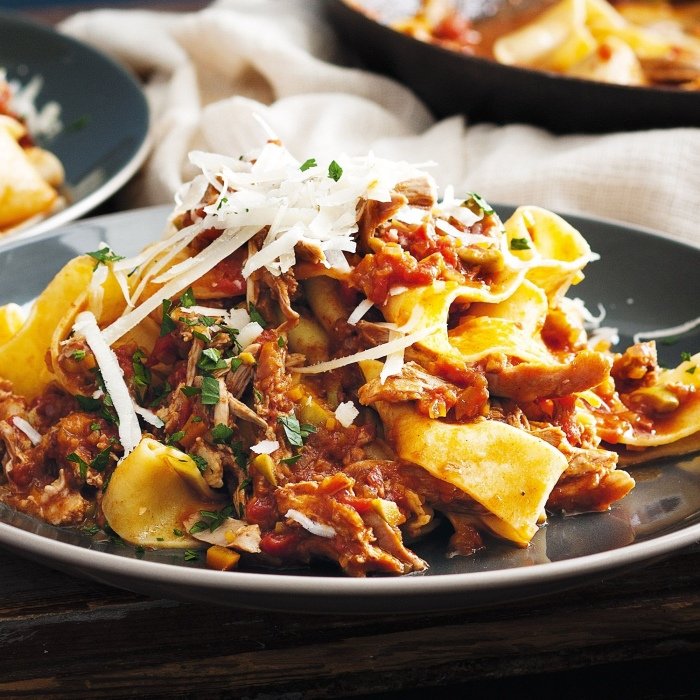
Venetian Duck Ragu

Zutaten

1 tbls Olive Oil
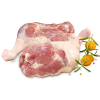
4 Duck Legs
2 finely chopped Onions
2 cloves minced Garlic
2 tsp ground Cinnamon
2 tsp Plain Flour
250ml Red Wine
800g Chopped Tomatoes
1 Chicken Stock Cube
3 sprigs Rosemary
2 Bay Leaves
1 tsp Sugar
2 tbs Milk
600g Paccheri Pasta
Grated Parmesan Cheese

Anweisungen

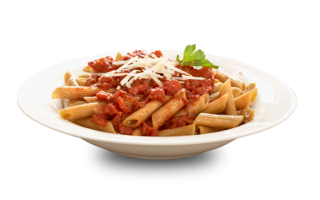
Heat the oil in a large pan. Add the duck legs and brown on all sides for about 10 mins. Remove to a plate and set aside. Add the onions to the pan and cook for 5 mins until softened. Add the garlic and cook for a further 1 min, then stir in the cinnamon and flour and cook for a further min. Return the duck to the pan, add the wine, tomatoes, stock, herbs, sugar and seasoning. Bring to a simmer, then lower the heat, cover with a lid and cook for 2 hrs, stirring every now and then.
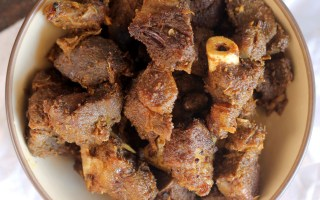
Carefully lift the duck legs out of the sauce and place on a plate – they will be very tender so try not to lose any of the meat. Pull off and discard the fat, then shred the meat with 2 forks and discard the bones. Add the meat back to the sauce with the milk and simmer, uncovered, for a further 10-15 mins while you cook the pasta.
Cook the pasta following pack instructions, then drain, reserving a cup of the pasta water, and add the pasta to the ragu. Stir to coat all the pasta in the sauce and cook for 1 min more, adding a splash of cooking liquid if it looks dry. Serve with grated Parmesan, if you like.

Kategorien
Beef
Beef
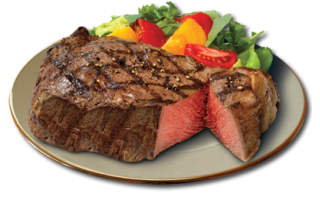
Rindfleisch ist der kulinarische Name für Fleisch von Rindern, insbesondere Skelettmuskulatur. Menschen essen Rindfleisch seit prähistorischen Zeiten. Rindfleisch ist eine Quelle für hochwertiges Protein und Nährstoffe. Die meisten Skelettmuskelfleischstücke vom Rind können unverändert verwendet werden, indem sie lediglich in bestimmte Teile geschnitten werden, wie Braten, Kurzrippen oder Steak (Filet Mignon, Lendensteak, Rumpsteak, Rippensteak, Rib-Eye-Steak, Hanger Steak usw.), während andere Schnitte verarbeitet werden (Corned Beef oder Beef Jerky). Abschnitte hingegen werden normalerweise mit Fleisch von älteren, magereren (daher zäheren) Rindern gemischt, werden gemahlen, zerkleinert oder in Würstchen verwendet. Das Blut wird in einigen Sorten, die als Blutwurst bezeichnet werden, verwendet. Andere gegessene Teile umfassen andere Muskeln und Innereien, wie Ochsenschwanz, Leber, Zunge, Pansen aus dem Netzmagen oder dem Pansen, Drüsen (insbesondere Bauchspeicheldrüse und Thymus, als Bries bezeichnet), das Herz, das Gehirn (obwohl verboten, wenn die Gefahr der Bovinen Spongiformen Enzephalopathie, BSE, allgemein bekannt als Rinderwahnsinn, besteht), die Nieren und die zarten Hoden des Bullen (in den Vereinigten Staaten als Calf Fries, Prairie Oysters oder Rocky Mountain Oysters bekannt). Einige Därme werden gekocht und unverändert gegessen, werden aber häufiger gereinigt und als natürliche Wursthüllen verwendet. Die Knochen werden zur Herstellung von Rinderbrühe verwendet.